
Trauma: How Trauma Can Make Safety Feel Boring or Unfamiliar
For many people who seek trauma therapy, one of the most confusing experiences is this: when life finally becomes calm and safe, it doesn’t always feel good. Instead of relief, there may be restlessness, boredom, or even anxiety.
If you’ve experienced trauma, this reaction is more common than you might think. Trauma can change how the brain and body recognize safety, making calm environments feel unfamiliar or even uncomfortable. Understanding why this happens is an important step in healing.
How Trauma Shapes the Nervous System
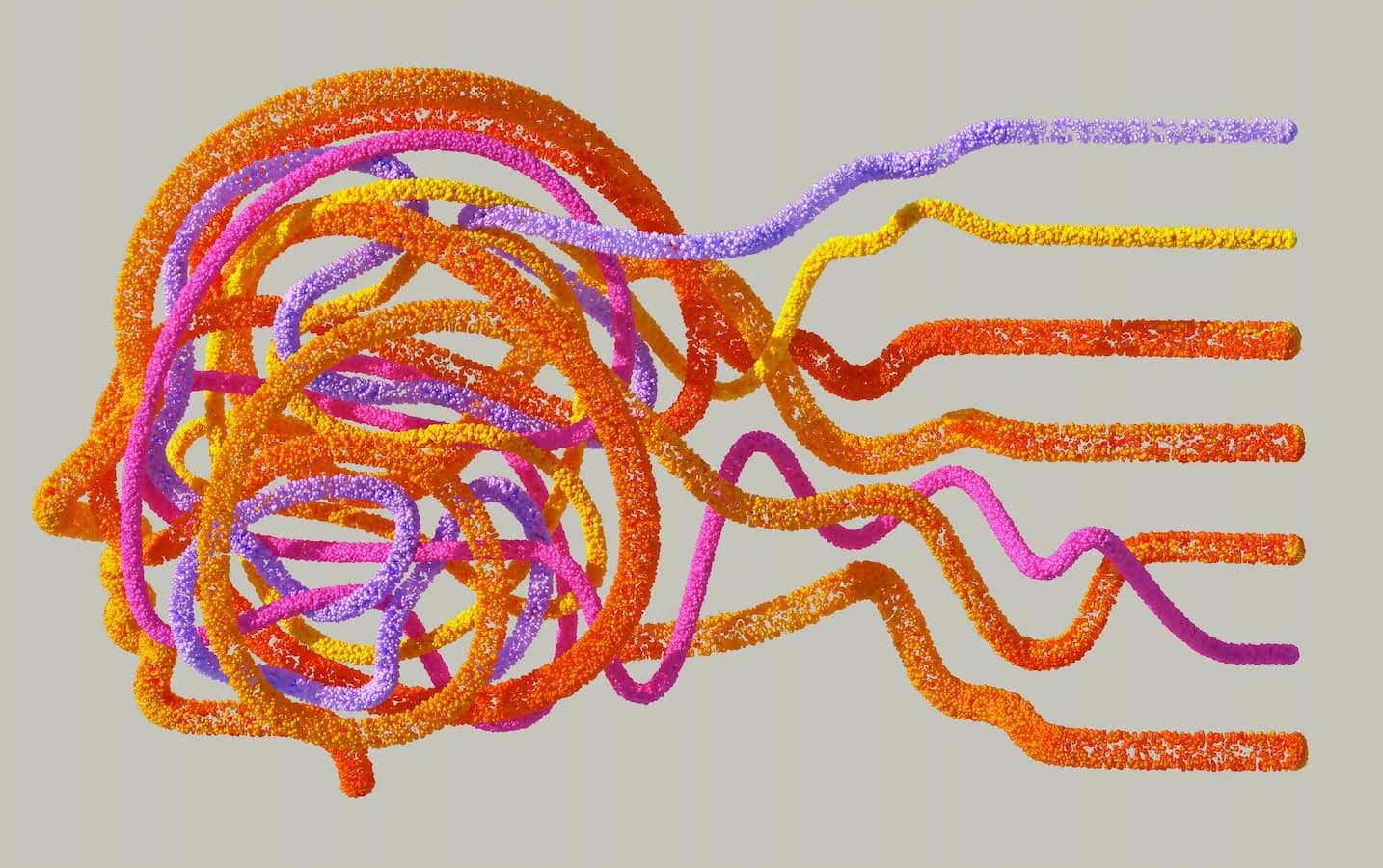
Trauma affects the nervous system in powerful ways. When someone experiences chronic stress, abuse, neglect, or frightening events, the brain learns to stay on high alert.
The body becomes used to operating in survival mode, which can include:
Constant scanning for danger
Heightened anxiety or hypervigilance
Quick emotional reactions
Difficulty relaxing
Over time, the nervous system begins to treat this heightened state as the “normal” baseline. When things slow down or become peaceful, the body may not recognize that state as safe.
This is one of the reasons people seek trauma therapy—to help the nervous system relearn what safety actually feels like.
Why Safety Can Feel Uncomfortable
After trauma, calmness can feel unfamiliar. The brain has learned that chaos, tension, or unpredictability are part of everyday life.
When those patterns disappear, several reactions may happen:
1. The Brain Confuses Calm with Danger
If your system is used to constant stress, quiet moments can feel suspicious. Your brain may start searching for something wrong, even when nothing is happening.
2. Adrenaline Withdrawal
Living in survival mode creates a steady flow of stress hormones. When life becomes calmer, the body may feel a drop in that stimulation, which can feel like boredom or emptiness.
3. Familiar Patterns Feel Safer
Humans are wired to seek familiarity—even if that familiarity is unhealthy. Someone who grew up in unpredictable environments may unconsciously gravitate toward situations that recreate those feelings.
This doesn’t mean someone wants chaos. It means the nervous system is trying to return to what it knows.
Signs Trauma May Be Affecting Your Sense of Safety
You might benefit from trauma therapy if you notice patterns like:
Feeling restless when life is calm
Distrusting stable or healthy relationships
Creating conflict when things are going well
Feeling “numb” during peaceful moments
Seeking high-stress environments or relationships
These responses are not personal failures—they are nervous system adaptations to past experiences.
How Trauma Therapy Helps Rebuild Safety
Healing from trauma involves helping the brain and body slowly learn that safety is real and sustainable. In trauma therapy, the focus is often on regulating the nervous system and building tolerance for calm, stable experiences.
Common approaches include:
Somatic awareness to reconnect with the body
Grounding techniques to reduce hypervigilance
Cognitive work to challenge trauma-based beliefs
Gradual exposure to safe experiences
Developing secure relationships and boundaries
Over time, these practices help the nervous system adjust to a new baseline—one where safety feels normal rather than unfamiliar.
Healing Takes Time—and That’s Okay
If calmness feels strange or even uncomfortable, it doesn’t mean something is wrong with you. It means your mind and body adapted to survive difficult experiences.
With compassionate trauma therapy, people can gradually retrain their nervous systems to experience safety, connection, and stability without discomfort.
The process takes patience, but the result is powerful: learning that peace doesn’t have to feel boring—it can feel like home. Contact us to schedule with a therapist to discuss howtrauma therapy can benefit you.