
Shame, Trauma, and the Path to Resilience: How We Use Shame Resilience Theory in Therapy
Shame is one of the most powerful—and often hidden—forces shaping how people see themselves after trauma. For individuals living with trauma or complex PTSD, shame doesn’t just appear as a passing emotion; it can become a core belief: “Something is wrong with me.” At our practice, we work to gently challenge and transform that belief using principles drawn from Brené Brown’s Shame Resilience Theory (SRT).
Understanding Shame vs. Guilt
Before diving into the theory, it’s helpful to distinguish shame from guilt. Guilt says, “I did something bad.” Shame says, “I am bad.” Trauma—especially interpersonal trauma like abuse, neglect, or betrayal—often wires the brain toward shame. Survivors may carry misplaced responsibility for what happened to them, even when they were not at fault.
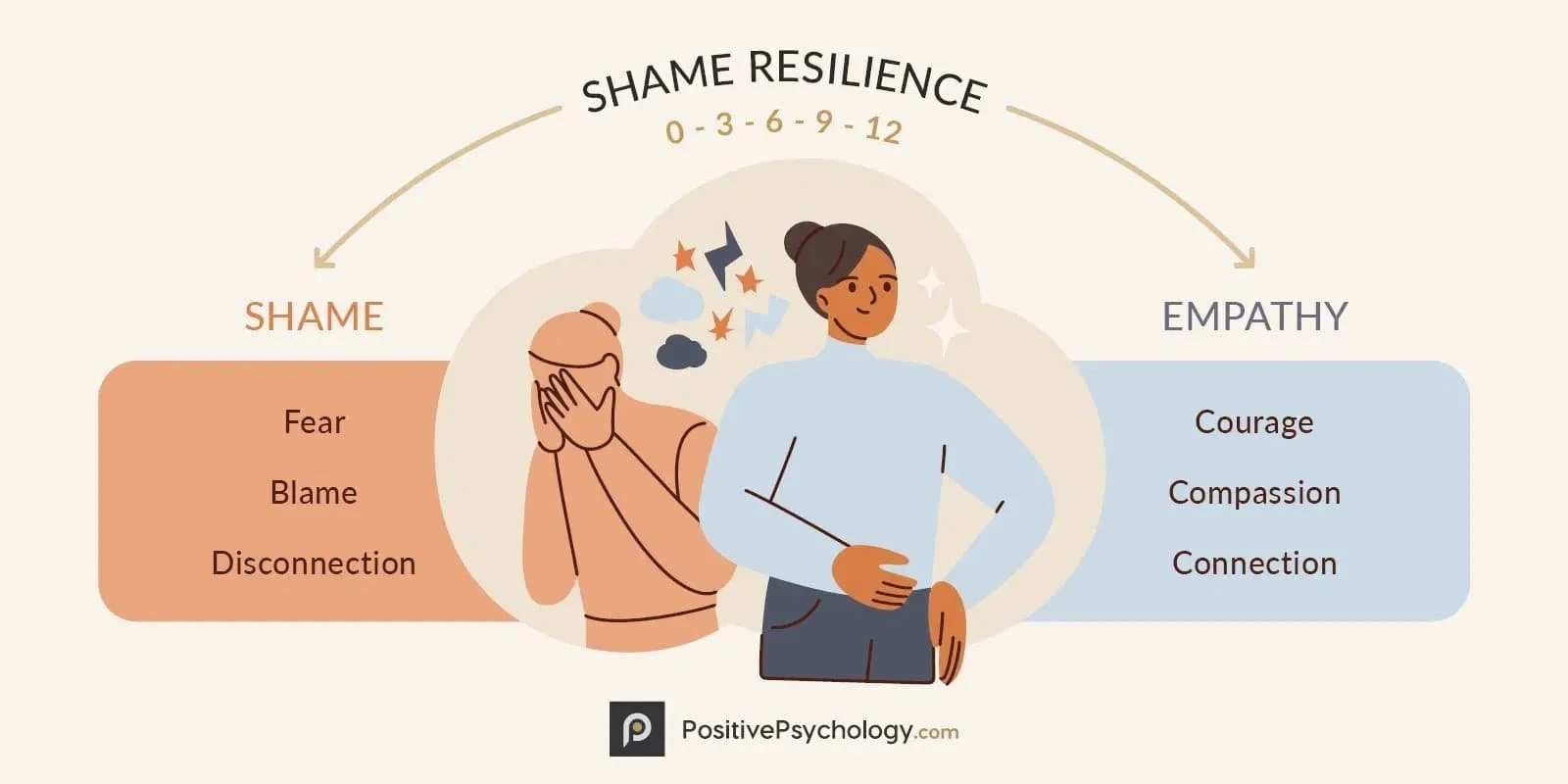
This internalized shame can show up as:
Harsh self-criticism
Difficulty trusting others
Emotional numbing or withdrawal
Perfectionism or people-pleasing
A persistent sense of unworthiness
Shame thrives in secrecy, silence, and judgment. And without intervention, it can keep people stuck.
What Is Shame Resilience Theory?
Shame Resilience Theory (SRT) offers a framework for recognizing shame, understanding its triggers, and developing the tools to move through it rather than staying trapped inside it.
At its core, SRT is about building resilience to shame, not eliminating it entirely. Shame is a human emotion—but it doesn’t have to define you.
The theory emphasizes four key components:
Recognizing shame and understanding its triggers
Learning to identify when shame is present in the body and mind.Practicing critical awareness
Questioning the messages that fuel shame. Are they accurate? Where did they come from?Reaching out
Sharing experiences with safe, supportive people instead of isolating.Speaking shame
Naming what’s happening reduces its power and allows for connection.
Why Shame Is Central in Trauma and Complex PTSD
For many trauma survivors, shame is not just a reaction—it becomes an identity. This is especially true in complex PTSD, where trauma is ongoing or relational (such as childhood abuse or neglect).
Clients often come to us carrying beliefs like:
“I should have stopped it.”
“I’m too much.”
“I’m broken.”
“It was my fault.”
These beliefs are not reflections of truth—they are adaptations formed in response to overwhelming experiences. But over time, they become deeply ingrained.
Without addressing shame directly, trauma work can feel incomplete. That’s why SRT is woven into how we approach healing.
How We Use SRT in Our Practice
Our work integrates Shame Resilience Theory into trauma-informed care in practical, compassionate ways:
1. Creating a Shame-Sensitive Environment
We prioritize emotional safety from the very beginning. Shame cannot heal in spaces where clients feel judged or misunderstood. Therapy becomes a place where all parts of your experience are met with curiosity rather than criticism.
2. Helping Clients Name and Notice Shame
Many people don’t initially recognize shame—they just feel “bad” or “wrong.” We help clients tune into physical sensations (like a sinking feeling or urge to hide) and identify the thoughts that accompany them.
3. Challenging Internalized Beliefs
Using gentle exploration, we examine the origins of shame-based beliefs. Were they learned in unsafe environments? Do they still serve you? This process builds critical awareness and loosens shame’s grip.
4. Rebuilding Self-Compassion
Shame and self-compassion cannot coexist. We guide clients in developing a more compassionate internal voice—one that acknowledges pain without reinforcing blame.
5. Supporting Safe Connection
Because shame thrives in isolation, part of healing involves practicing connection. This might begin within the therapeutic relationship and gradually extend to trusted others in a client’s life.
6. Integrating with Trauma Modalities
We often combine SRT with evidence-based trauma therapies (such as EMDR, somatic approaches, or parts work). Addressing shame alongside nervous system healing allows for deeper and more lasting change.
What Healing Can Look Like
As shame begins to shift, clients often notice meaningful changes:
A softer, less critical inner voice
Greater ability to set boundaries
Increased emotional openness
Reduced feelings of isolation
A growing sense of self-worth
Healing from trauma is not about erasing the past—it’s about changing your relationship to it. When shame loosens its hold, space opens for something new: self-understanding, connection, and resilience.
A Final Thought
If you carry shame related to past experiences, you are not alone—and you are not defined by what happened to you. Shame Resilience Theory offers a path toward reclaiming your story, not by denying pain, but by meeting it with honesty, support, and compassion.
In our practice, we consider it an honor to walk alongside clients in this process. Healing is possible, and it often begins with bringing shame out of the shadows and into a space where it can finally be understood and transformed. Reach out to us to learn more or to schedule an appointment with a therapist specializing in trauma therapy.